
The Best Morning Routine for Energy After 40

Science-backed habits that work
This routine is different from the many vague difficult morning plans you may have heard. Every habit discussed here is backed by human research or guidance from a credible health organization, and everything is designed to stack together into a routine you can sustain. We're also centering the plan on a whole-food, plant-based breakfast, because the science behind its effectiveness is compelling, especially for people in their 40s, 50s, and beyond.
Why your morning routine matters more after age 40
Whether you choose to admit it or not, the biological changes that come with midlife aren't just cosmetic. Sleep architecture shifts, cortisol regulation becomes more sensitive, and the metabolic flexibility you had at 25 starts to narrow. Chronic inflammation, lower BDNF (brain-derived neurotrophic factor), and rising insulin resistance all begin to express themselves in how you feel day to day.
Your morning is the most powerful time you have to push back against negative biological pressures. What you do in the first one to two hours after waking sets your hormonal, metabolic, and neurological tone for the rest of the day. Effective morning routines don’t require a 5 AM alarm or an ice bath. They require sequence and consistency.
The science behind a better morning routine for energy
Research from organizations like the National Institutes of Health shows that circadian rhythm alignment (your internal clock) plays a major role in energy, metabolism, and cognitive function.
Common mistakes that kill morning energy
Starting the day dehydrated - You’re already behind before you begin.
Drinking coffee immediately - Short-term boost, long-term instability.
Skipping breakfast (or eating sugar-heavy foods) - Energy rollercoaster guaranteed.
Staying indoors all morning - You’re missing your body’s natural wake-up signal.
Going straight to your phone - You’re hijacking your focus before it starts.
Implement the following habits to create a morning routine that resolves these problems.
Habit 1: Wake up at a consistent time
If you want more energy after 40, start by protecting your wake time. Consistent wake timing helps anchor circadian rhythms, which influence sleepiness, alertness, hormone patterns, and daily cognitive performance. Many people focus only on bedtime, but wake time is often easier to control. Picking one realistic wake time and sticking close to it every day helps the body predict when to release hormones related to alertness and when to prepare for sleep later that night. This creates a more stable platform for energy than sleeping in on weekends and trying to "catch up" randomly.
What the research says
A systematic review published by Applied Physiology, Nutrition and Metabolism, found positive health outcomes resulted from sleep bedtime/wake-up time and sleep consistency.
How to do it
Choose a wake time you can keep within about 30 minutes most days.
Count backward to allow enough time in bed.
Keep your wake-up time even on low-motivation days, then build the rest of the routine around it.
For many adults over 40, this one change makes other parts of the routine easier because light exposure, exercise, breakfast timing, and work focus all become more predictable.
Habit 2: Morning light exposure

Do this first. Before coffee. Before touching your phone.
This is the single highest-leverage habit on this list, and it costs you nothing.
Morning light is one of the fastest ways to feel more awake. Light is not just something you see. It is also a signal that tells your brain and body that the active phase of the day has begun. When you expose your eyes to natural outdoor light within 30 to 60 minutes of waking, you trigger a cascade of biological events.
Natural light signals your brain to:
Stop producing melatonin (sleep hormone)
Increase cortisol at the right time (this is good in the morning)
Boost alertness and focus
This same mechanism also programs your melatonin to rise 14 to 16 hours later, which is what makes you feel sleepy at the right time at night.
What science says
Research shows that daytime light exposure can improve working memory, processing speed, procedural learning, and subjective sleepiness in humans. Real-world data also suggest that light exposure is linked with lower sleepiness and better cognitive performance.
According to research published through the Sleep Foundation, and a 2022 review in Frontiers in Psychology found that higher intensity white light increased alertness and improved reaction time particularly in the morning hours. The morning light exposure helps regulate circadian rhythms and improves sleep quality later at night.
For adults over 40, that signal can be especially useful if mornings feel sluggish or if indoor routines keep them under dim light for too long.
How to do it
Go outside within 30 minutes of waking if possible.
Aim for 5 to 15 minutes of daylight exposure on bright days, longer if the sky is overcast.
If natural light is limited, sit near a very bright window or consider a clinically appropriate light device after checking whether it fits your health needs.
How this impacts energy
Better circadian alignment = better sleep = more energy tomorrow.
Habit 3: Hydrate before anything else
Your brain is slightly dehydrated every morning. Fix that first.
Overnight, your body loses fluids through breathing and sweating. Even mild dehydration can lead to fatigue, brain fog, and reduced concentration. After 40, your thirst sensation also becomes less reliable, which makes intentional morning hydration even more important.
What science says
A randomized controlled trial published in Nutrients found that adults who drank water after a 12-hour overnight fast showed improved cognitive performance compared to a dehydrated state, with benefits appearing even at 200 mL of water.
How to do it
Drink 8 to 16 ounces of water soon after waking. Room temperature water works fine, cold water is not required.
Keep the glass visible the night before so the habit is frictionless.
Have coffee or tea with breakfast rather than as the first input of the day.
This is a low-effort change, but it improves the odds that you start the day feeling awake instead of merely stimulated.
Habit 4: Delay caffeine by 60-90 minutes after waking
This one is controversial.
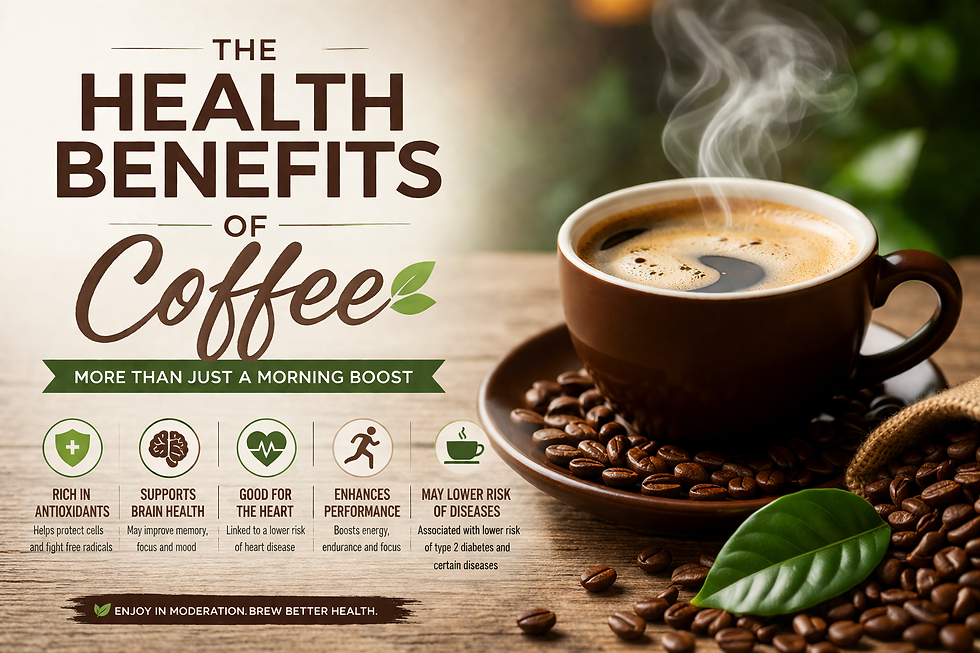
This is not a debate about whether or not coffee is health. You can learn more about the health benefits of coffee in the Exploring the Health Benefits of Coffee blog post.
The popular advice to delay caffeine 90 to 120 minutes after waking is based on two mechanisms: the cortisol awakening response (CAR) and adenosine dynamics.
The CAR is a real, well-documented phenomenon: cortisol spikes by 50 to 100% in the 20 to 30 minutes after you wake up. This surge is part of your natural alerting mechanism. The argument for delaying coffee is that consuming caffeine during this window means you're layering a stimulant on top of a hormonal system that's already working hard, which may reduce the net benefit you get from caffeine and potentially amplify the afternoon slump.
What the research says
The University of Arizona's Department of Psychiatry reviewed this claim and found the evidence to be suggestive but not yet definitive. Adenosine is primarily cleared during sleep, not in the minutes after waking, which means caffeine does work right away. That said, experts like sleep researcher Dr. Michael Grandner have noted that waiting 30 to 60 minutes may help the cortisol peak complete before caffeine's effects kick in, leading to more stable energy. The science is mixed here, and individual variation matters.
A practical recommendation
Try waiting 60 minutes after waking before your first cup of coffee or tea for two weeks and see if your afternoon energy changes. This is one habit where self-experimentation is appropriate. If you drink caffeinated green tea instead of coffee, you get the added benefit of L-theanine, an amino acid that has been shown in multiple human studies to smooth out the stimulant effect and reduce jitter response.
Habit 5: Practice mindfulness

For adults over 40 juggling work, family, and health goals, this habit is useful because it creates a pause between waking up and being pulled into messages, news, or other demands. That pause can improve perceived control, reduce morning stress, and make it easier to follow through on the healthy behaviors you already know you want to do.
What science says
The American Psychological Association reports that mindfulness improves attention and reduces stress.
A large randomized clinical trial published in Frontiers in Psychology (Cunha et al., 2019) with 1,337 participants found that people who wrote daily gratitude lists for 14 days showed significant improvements in positive affect, happiness, and life satisfaction compared to control groups, and the effects persisted two weeks after the intervention ended.
A separate randomized controlled trial found that a six-week gratitude app intervention (with 849 participants) produced significant improvements in wellbeing, anxiety reduction, and reframing of stressors compared to a waitlist control.
Gratitude is directly correlated with more energy, better decision-making, and improved physical health outcomes. This habit doesn't feel like it belongs in a physiology conversation, but the downstream effects on how you show up for the rest of your day are very real.
How to do it
Try one or several of these actions:
Deep breathing – Take 10 slow deep breaths.
Quiet stillness – Close your eyes and gently observe how your body feels from toe to head. Your mind will wander, gently bring your concentration back to your observation.
Gratitude list - Write three specific things you're grateful for. The research suggests that specificity matters more than quantity. "I'm grateful for the conversation I had with my daughter last night" produces a stronger emotional response than "I'm grateful for my family."
One intention - Write or state one thing you want to bring to this day. Keep it behavioral rather than outcome-based: "I will be fully present in my 10 AM meeting" rather than "I will be more productive today."
Lower stress = better focus + better decision-making. Taking two minutes to either write down three things you're grateful for, or simply state one clear intention for the day, has measurable psychological effects.
Habit 6: Eat a whole-food plant-based breakfast
This is the anchor of the whole routine. Get this right and everything else works better.
Ultra-processed cereals, pastries, and sugary yogurts spike blood glucose rapidly and then send it crashing, often within 90 minutes. That crash is what you experience as the mid-morning fog. A whole-food, plant-based breakfast does the opposite: it provides slow, steady glucose release, anti-inflammatory phytonutrients, fiber that feeds your gut microbiome, and protein that supports satiety and neurotransmitter production.
A whole-food plant-based breakfast can support steadier energy because it emphasizes fiber-rich carbohydrates, minimally processed foods, plant protein, and healthy fats rather than refined, fast-digesting options that can lead to mid-morning crashes. Plant-based eating patterns are also associated with benefits in weight management and energy metabolism, which matter for people who want better health and better daily performance.
What the research says
A systematic review published in Translational Psychiatry (Medawar et al., 2019) examined 32 human interventional studies and found robust evidence that plant-based diets improve energy metabolism and reduce systemic inflammation in the short to moderate term. A more recent systematic review and meta-analysis published in Nutrients (2023) found that dietary patterns emphasizing whole plant foods were associated with significantly lower odds of cognitive impairment.
On the breakfast-specific side, a randomized crossover study published in European Journal of Clinical Nutrition found that overnight oats produced 33% lower blood glucose and 33% lower insulin responses compared to cream of rice cereal, even when nuts and seeds were added. That sustained glucose profile is the difference between two hours of steady focus and a mid-morning energy crash.
How to do it
Fill your breakfast plate using the following structure:
Base: oats, quinoa, whole-grain toast, or another minimally processed whole grain.
Protein: soy milk, tofu, tempeh, beans, lentils, or soy yogurt.
Healthy fat: walnuts, chia, flax, almond butter, peanut butter, or avocado.
Produce: berries, bananas, spinach, or other fruit and vegetables.
Whole-food plant-based breakfast ideas for energy after 40
Bowl of oatmeal with blueberries and flaxseed Plate of tofu scramble with red, yellow, and orange peppers, spinach and red onions with toast Green smoothie with a straw Overnight oats with chia seeds and honey
Oats with berries, flax, and nut butter
This meal works because oats provide slow-digesting carbohydrates, berries add fiber and polyphenols, flax adds healthy fats, and nut butter improves staying power. It is also easy to prepare consistently, which makes it an easy habit.
Tofu scramble with vegetables and whole-grain toast
A tofu scramble gives you plant protein and volume, while vegetables add micronutrients and fiber and whole-grain toast provides sustained fuel. For people who prefer savory breakfasts, this can feel more satisfying than a sweet option.
Smoothie with soy milk, spinach, berries, and peanut butter
A smoothie can work well when time is tight, especially if it includes a protein-rich plant milk, fruit, greens, and a healthy fat source. The key is to keep it whole-food focused instead of turning it into a sugary dessert.
Overnight oats with chia seeds and soy yogurt
This is ideal for busy mornings because the prep happens the night before. It combines fiber, healthy fats, and plant protein in a portable format that still supports fullness and consistent energy.
Why this works
Fiber slows digestion → steady glucose → consistent energy.
Habit 7: Move your body
You do not need a full workout. You need to move.
Physical activity is a reliable way to improve energy and performance. This is one of the most evidence-rich areas of morning routine science, particularly for people over 40. Exercise triggers the release of BDNF (brain-derived neurotrophic factor), sometimes called "Fertilizer for the brain," which supports neuron health, memory formation, and learning. It also improves insulin sensitivity, reduces inflammation, and shifts your hormonal profile in ways that compound over time.
What the research says
A landmark study published in International Journal of Behavioral Nutrition and Physical Activity (2024) followed 291 adults aged 50 to 83 and found that people who did more moderate-to-vigorous physical activity than usual on a given day performed better on memory tests the following day. The effect persisted even after accounting for sleep.
The "Brain Breaks" study, led by the Baker Heart and Diabetes Institute and published in the British Journal of Sports Medicine, found that a morning round of moderate-intensity treadmill exercise improved decision-making in adults aged 55 to 80 across the entire day. When brief three-minute walking breaks were added throughout the day after the morning session, short-term memory improved compared to uninterrupted sitting.
A 2023 study in PLOS ONE specifically studying middle-aged adults aged 40 to 70 found that days with more physical activity were associated with faster processing speed and better visual memory, with effects appearing both within the day and into the following day.
How to do it
The goal is to get your heart rate moderately elevated for 10 to 20 minutes. You don't need a gym. Options include a brisk walk, a 15-minute yoga flow, a cycling session, or a bodyweight circuit (push-ups, squats, lunges). After your movement session, if you'll be sitting for most of the morning, set a reminder to stand and walk for two to three minutes every hour. The Brain Breaks study suggests this dramatically extends the cognitive benefits of your morning session.
Take a short walk after breakfast
A 5–10 minute walk after eating helps lower blood sugar, improve digestion, and boost energy. For adults 40 and older, this is a high-impact, low-effort habit. Research in Diabetes Care Journal shows post-meal walking significantly improves glucose control.
Bonus habit
Delay doom scrolling and protect your attention
The steps above will help you get a good start to your day. This one will help you implement them.
A powerful morning routine is easier to keep when your phone is not in charge of it. Early exposure to email, social media, and headlines can create stress and fragment attention before your body and brain are fully awake.
This habit matters because attention is a limited resource. If it gets hijacked before you hydrate, get light, move, and eat breakfast, the rest of the routine often disappears. People who want more energy and performance should think of attention as something to protect.
How to implement it
Keep your phone off or in another room for the first 20 to 30 minutes of the morning.
Replace scrolling with a fixed sequence: water, light, movement, breakfast.
If needed, use a checklist written on paper until the routine becomes automatic.
This one boundary can make the entire routine more reliable.
Consistency vs. perfection
The research on habit formation consistently shows that what matters most is frequency over intensity. A 70% consistent morning routine beats a perfect one you do twice a week. Missing a day is not a problem. Stringing missed days into weeks is where the benefit erodes.
Start with the habits that excite you most. Track them simply: a notebook with a checklist or a habit app. Give any new habit at least 21 to 30 days before evaluating whether it's working. The effects of light exposure, hydration, movement, and plant-based eating are cumulative. You may not notice much in week one. Week four often feels different.
Pros and cons of this morning routine
PROS | CONS |
Built on human physiology and clinical research | Requires consistency to see results |
Simple and flexible (not time-intensive) | Delaying coffee can feel uncomfortable at first |
Supports long-term health, not just quick energy | Whole-food breakfasts require some planning |
Common mistakes that drain energy instead of building it

Mistake 1 Relying on caffeine before basic physiology
Coffee is not a substitute for light, water, movement, and food. If those basics are missing, caffeine may temporarily hide fatigue instead of improving the conditions causing it.

Mistake 2 Eating a low-fiber, high-sugar breakfast
Breakfasts built around refined carbs alone digests quickly and leaves you looking for energy by mid-morning. A whole-food plant-based breakfast with fiber, protein, and healthy fat is more stable.

Mistake 3 Choosing extreme routines you cannot repeat
The best morning routine is the one you can keep. Research on exercise and habit consistency makes clear that sustainable inputs outperform heroic but short-lived efforts.

Mistake 4 Treating low energy as a character flaw
For many adults over 40, low energy is a systems problem, not a motivation problem. Better timing, better light, better movement, and better food generate more energy than self-criticism.
FAQ
What is the best morning routine for energy after 40?
The best morning routine for energy after 40 usually includes a consistent wake time, bright light exposure, hydration, moderate movement, and a whole-food plant-based breakfast with fiber, plant protein, and healthy fats.
Does a whole-food plant-based breakfast improve energy?
Yes, a whole-food plant-based breakfast can support steadier energy because it emphasizes fiber-rich, minimally processed foods that help with satiety, metabolic health, and blood sugar stability.
What should adults over 40 eat for breakfast for sustained energy?
Good options include oatmeal with berries and flax, tofu scramble with vegetables and whole-grain toast, or a smoothie with soy milk, berries, spinach, and nut butter.
Does morning light really improve energy and performance?
Research suggests that brighter daytime light exposure can reduce sleepiness and improve aspects of cognitive performance, including working memory and processing speed.
Is morning exercise better for energy?
Exercise improves attention and cognitive performance, and moderate morning movement is a practical way to increase alertness and readiness for the day, even if the exact time of exercise is less important than doing it consistently.
Final Thoughts
If you want more energy after 40, do not look for a perfect routine. Look for a repeatable one. The combination of consistent wake time, bright light, hydration, movement, attention protection, and a whole-food plant-based breakfast is simple enough to practice and powerful enough to matter. None of this is complicated. All of it compounds. And the research supports every piece.
This post is for general informational and educational purposes. It is not medical advice. If you have specific health conditions, please consult your physician before making significant changes to your routine.
Comments