
Crunchy Plant-Based Food: Snacks, Meals, and Everything In Between

The thing I never associated with a plant-based diet: silence.
Not peaceful silence. The silence where a satisfying crunch used to be.
I remember standing in my kitchen about three weeks into my plant-based journey, staring at a bowl of lentil soup and steamed broccoli, thinking, this is fine, but something is missing. It wasn't flavor. The food tasted great. It was texture. My meals had gone from a symphony of crunch, snap, and crackle to one long, soft, monotonous note.
If you've ever felt that way, or if you're thinking about going plant-based and you're worried about giving up the satisfying crunch of chips, crispy chicken, or even just a good cracker, I see you. I have very good news. Crunchy plant-based foods are not only possible. They're everywhere once you know where to look.
This guide covers all of it: snacks, cooked meals, raw foods, and the techniques that make the difference between soggy and spectacular. Let's dig in.
Why Crunch Matters More Than You Think
Before we get to the food, let's spend a minute on the science, because it's fascinating and it explains why many people struggle with the texture transition when they shift to plant-based eating.
Research in food psychology shows that the sound and feel of crunching plays a role in how satisfying we find a meal. Studies have found that when the auditory feedback of eating is reduced (think eating with headphones on), people tend to eat more because the sensory signal that tells your brain "yes, this is good, you are eating" gets muted.
In other words, crunch isn't just a preference. It's a signal. It's your nervous system getting confirmation that something worth eating is happening.
When people go plant-based and lose that texture cue from things like fried chicken, chips, or crunchy granola bars loaded with dairy, their meals can feel less satisfying, even if the nutrition is there. This often leads to snacking more, feeling vaguely unfulfilled after meals, or missing a food experience they can't quite name.
The fix isn't complicated. It's just a matter of knowing which plant-based foods and techniques deliver that crunch your brain is looking for.
Crunchy Plant-Based Snacks: Build Your New Pantry
The snack aisle has become one of the best places for plant-based eaters. Here's what I keep stocked and genuinely reach for:
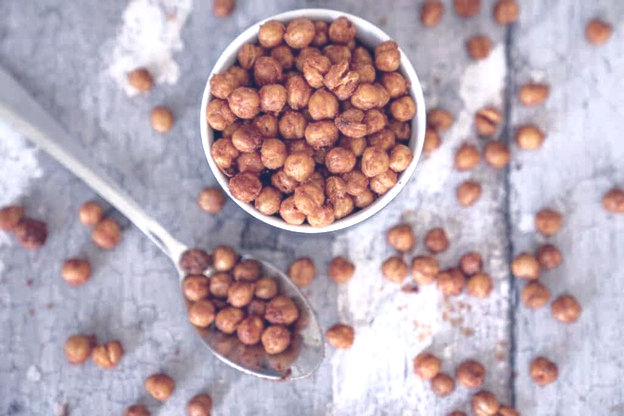
Roasted chickpeas are my easy-to-make snack. They crisp up into something between a chip and a nut, and they hold seasoning well. You can buy them pre-made or roast your own with a little olive oil and whatever spices you love. Smoked paprika and garlic powder is my favorite combination.
Seed crackers have become a staple in my house. Made primarily from flaxseed, sunflower seeds, and sesame, they have a deep, nutty crunch and hold up under dips and toppings without dissolving. Look for brands with short ingredient lists or make a batch at home over the weekend.
Lentil crisps are everywhere now, and for good reason. They're light, satisfying, and high in protein compared to most chip alternatives. Great for dipping or eating straight from the bag.
Kale chips have a bad reputation, mostly because people have had chewy, under-baked versions. Done right (thin leaves, low heat, long bake), they shatter when you bite them. Add nutritional yeast, lemon, and a pinch of salt and they become something you'll crave.
Rice cakes are underrated. On their own, yes, they're a little boring. But top them with peanut butter and banana, or smashed avocado and everything bagel seasoning, and you have a snack with crunch, creaminess, and serious flavor.

Toasted nuts and seeds deserve a permanent spot on your counter. A small bowl of toasted almonds, pumpkin seeds, or walnuts takes about five minutes to make and provides exactly the kind of rich, satisfying crunch that bridges the gap between meals. I toast mine in a dry pan over medium heat until fragrant. It makes a bigger difference than you'd expect.
A well-stocked pantry is the foundation of a successful plant-based lifestyle. If you want my full go-to list, I put it all together in a free guide at the end of this article.
Crunchy in the Kitchen: Cooked Dishes That Deliver
Once you learn a few key cooking techniques, you can bring serious crunch to almost any plant-based meal.
Crispy tofu was a turning point for me. For the first year of eating plant-based, my tofu was always soft. Then I learned two things: you have to press out the moisture, and you have to use high heat. Press your tofu for at least 20 minutes, cube it, toss it in a little cornstarch and soy sauce, and roast it at 425 degrees. What comes out is golden, chewy-crispy, and completely different from the tofu you've been tolerating.
Tempeh is even easier to crisp up than tofu and has a nuttier, more complex flavor. Slice it thin, marinate it briefly in something acidic and savory, and pan-fry it in a hot skillet with a little oil. The first time I got tempeh properly crispy, I stood at the stove eating it straight from the pan. It was that good.
Roasted vegetables are the workhorse of crunchy plant-based cooking. The key is not crowding the pan. When vegetables are too close together, they steam instead of roast, and you end up with soft instead of caramelized and crispy. Spread them out, use high heat (400 to 425 degrees), and resist the urge to move them around too much. Brussels sprouts, cauliflower, broccoli, chickpeas, and sweet potato all roast into something remarkable.

Grain bowls are an easy vehicle for crunch at any meal. The base (rice, quinoa, farro) gives you substance, the roasted or raw vegetables give you flavor and nutrition, and then you add the crunch layer on top. Toasted pepitas, crispy shallots, sunflower seeds, or a handful of those seed crackers broken up work perfectly here.
Air frying has made crispy plant-based cooking faster and more accessible. Chickpeas, tofu, cauliflower, zucchini, and even sliced avocado come out with a satisfying exterior without a lot of oil. If you have an air fryer and you're not using it for plant-based cooking yet, try it today.
One technique I share with my coaching clients that makes a consistent difference: dry your ingredients thoroughly before cooking. Pat tofu dry after pressing. Dry your vegetables after washing. Moisture is the enemy of crunch and removing it before applying heat is the single biggest upgrade you can make to your cooking.
Raw and Crunchy: What Nature Already Gave You
Some of the best crunch in plant-based eating requires zero cooking.
Fresh vegetables are the original crunchy snack. Carrots, celery, cucumber, bell pepper strips, radishes, and snap peas all deliver a clean, satisfying crunch. Pair them with hummus, white bean dip, guacamole, or tahini and you have a snack that's hard to stop eating.
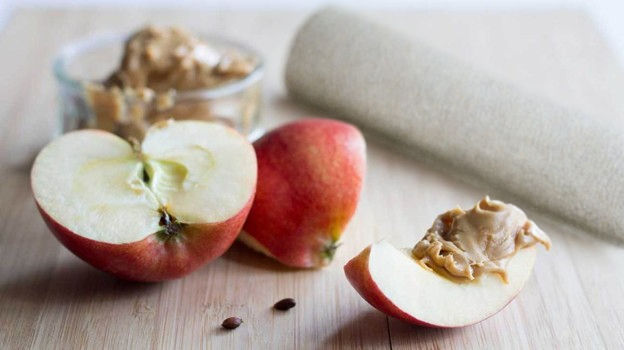
Apples with nut butter is a combination I've been eating for years and never get tired of. The crisp, juicy snap of a good apple with the richness of almond or peanut butter hits multiple texture notes at once. Add some pumpkin seeds or granola on top if you want to layer in more crunch.
Salads with serious toppings don't have to be limp. The base greens matter less than what you put on top. Toasted nuts, seeds, croutons made from good bread, sliced radishes, shredded cabbage, or even a handful of roasted chickpeas transform a salad from something you eat out of obligation into something you look forward to.
Cabbage and slaw are underused in everyday plant-based eating. Raw cabbage has a sturdy, satisfying crunch that holds up even after dressing, which makes it ideal for meal prep. Toss it with lime juice, cilantro, and a little sesame oil and it becomes an enjoyable addition to your meal.
Tips for Getting the Crunch Right Every Time
These are the practical things I wish I knew sooner:
Use high heat when roasting. Most people roast vegetables at 350 degrees because it feels safe. Bump it to 400 or 425 and give them space on the pan. The difference in texture is significant.
Cornstarch is your friend. Tossing tofu, cauliflower, or chickpeas in a little cornstarch before roasting or frying creates a crispier exterior. A light coating goes a long way.
Toast your nuts and seeds before using them. Even five minutes in a dry pan over medium heat intensifies the flavor and dramatically improves the texture of nuts and seeds you're adding to salads, bowls, or oatmeal.
Don't skip the dry step. Whether it's tofu, vegetables, or legumes, patting things dry before cooking removes the surface moisture that causes steaming instead of crisping.
Let things rest after cooking. Pulling roasted chickpeas or tofu out of the oven and letting them sit uncovered for a few minutes helps them firm up. Covering hot food traps steam and softens the exterior you just worked to create.
Season in layers. Crunch is satisfying on its own, but crunch with flavor is where it becomes craveable. Season before cooking, not just after.
A Note From My Own Journey
When I first started eating plant-based, I thought I just had to accept a different relationship with food. Softer, quieter, less exciting on a sensory level. I thought that was the trade-off for eating in a way that felt aligned with my values and my health goals.
I was wrong and figuring that out changed everything.
Once I learned how to roast, how to press and dry my proteins, how to build snack shelves with real crunch, and how to use raw vegetables as more than an afterthought, my meals became something I looked forward to again. The satisfaction came back. The texture came back.
That's what I want for you, and it's a big part of why I do the work I do as a health coach. The transition to plant-based eating doesn't have to feel like deprivation. It just requires a little knowledge and a willingness to try things differently.
Ready to Build Your Crunchy Plant-Based Kitchen?
If this resonated with you, I'd love to keep the conversation going.
I put together a free Crunchy Plant-Based Pantry Guide that includes my personal snack staples, the techniques I use most, and a simple meal framework to help you build satisfying, texture-rich plant-based meals.
Grab it below and join my newsletter, where I share plant-based tips, real-life coaching insights, and recipes that make you excited to eat. No fluff, no overwhelm, just practical guidance from someone who's been exactly where you are.
Your crunch is waiting.

Comments